
Mobile Menu Icon
ACOUSTIC DESIGN + TECHNOLOGY CONSULTING
  • About Us+
    • History
  • Leadership
  • Expertise+
    • Acoustic Design
    • Technology Consulting
    • Site Assessments
    • Vibration
    • Acoustic Virtual Reality
  • Markets
  • Portfolio
  • Careers
  • Trending

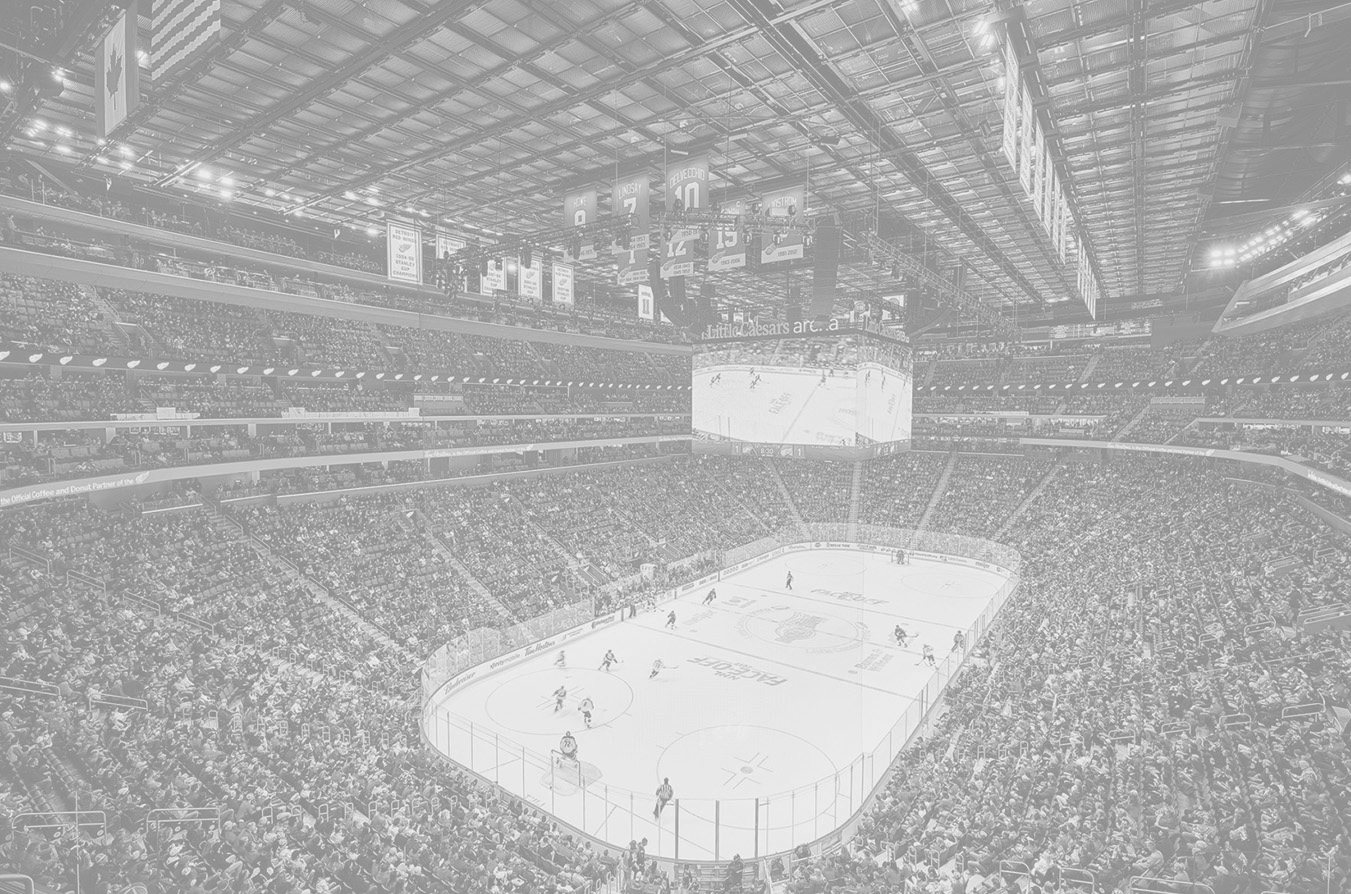
LITTLE CAESARS
ARENA
We design integrated tech and acoustics
that connect fans, community,
and venue.

Seamless tech and sound, from street to seat.
MADISON
SQUARE
GARDEN
We design future-proof technology
that elevates live entertainment,
and evolves with innovation.

Seamless tech for today’s fans, built for tomorrow.
NY RANGERS
TRAINING
CENTER
We design acoustic environments that
that ensure privacy, clarity,
and a competitive edge.

Privacy and clarity where it matters most.
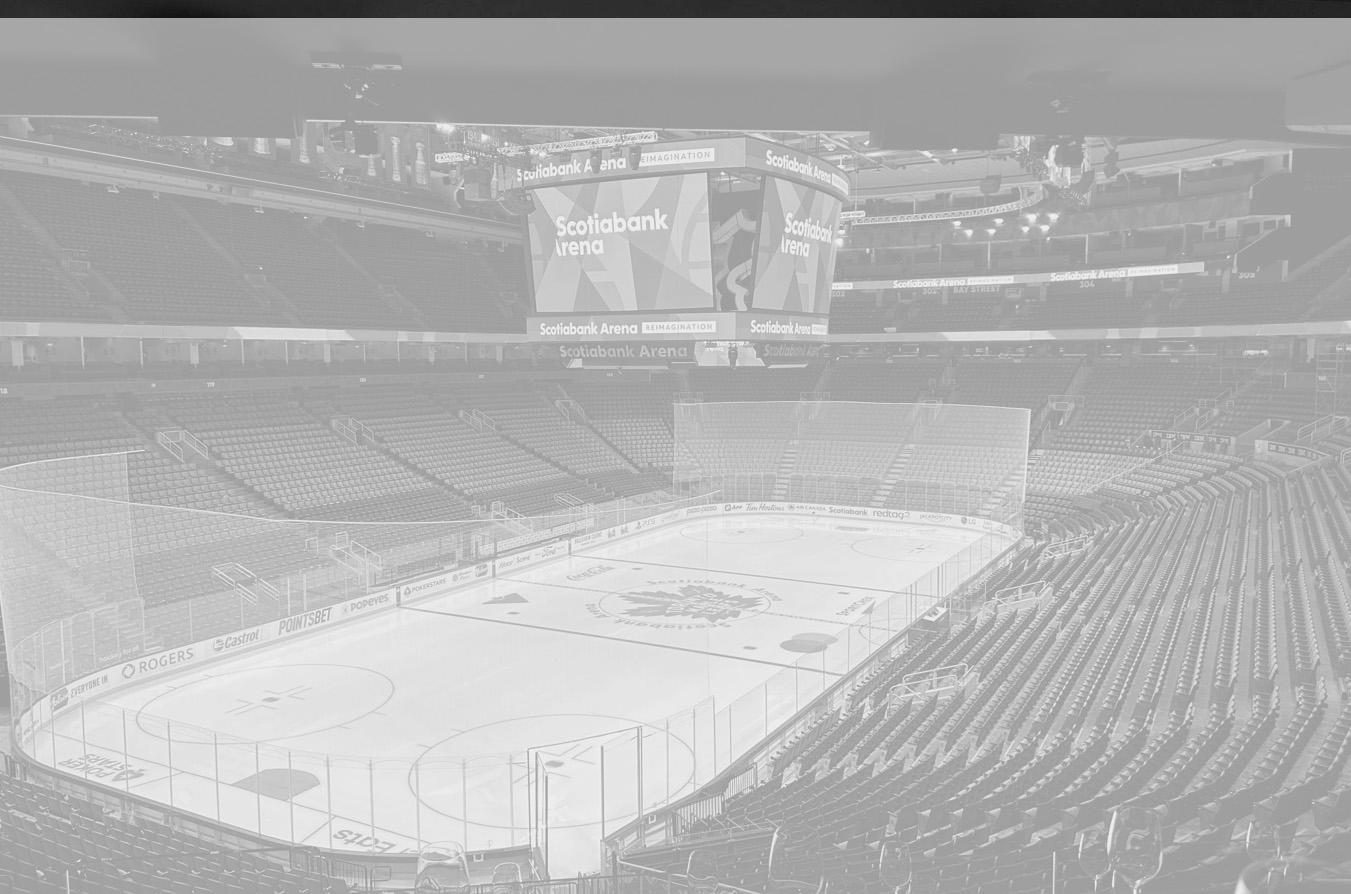
SCOTIABANK
ARENA
We design acoustics that amplify energy
and elevate every experience.

Sound that moves fans.
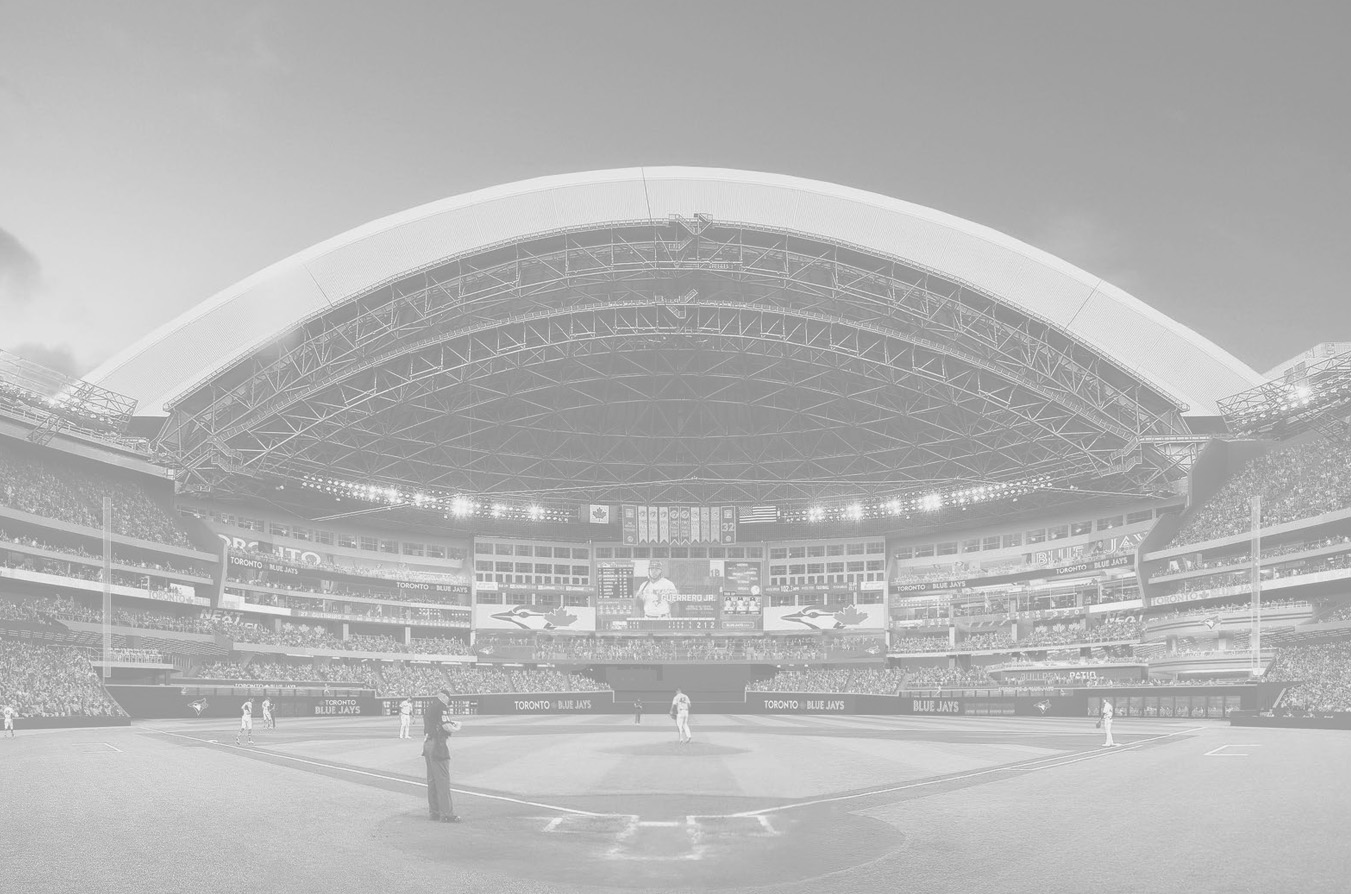
ROGERS
CENTRE
We design iconic stadium sound that
excites fans and controls noise for
the city beyond.

Acoustics that unite fans and communities.

August 12, 2019 by Victor Camara

Philadelphia, PA, August 12, 2019 – Comcast Technology Center has made its splashing debut amongst Philadelphia’s skyline as a major entrepreneurial, technological and culinary hub. Designed by world-renowned architects Foster + Partners, Gensler, Kendall/Heaton Associates, and Daroff Design Inc., the new tower was envisioned to become Comcast’s new home for technological innovation that attracts the best talent from around world.

As the technology consultants to this tech company, handling all their communication technology, as well as the acoustic design, Cerami helped sync their HQ to the rhythms of Philadelphia and their network to the world.

With Cerami’s visioning capabilities, we set up new campus standards for hundreds of conference and collaboration spaces that we equipped with communications technology.  This included 60 miles of fiber optic cabling, more than 1100 wireless access points and communications technology for 900,000 square feet of workspace, NBC10 studio, showcase floor, café, fitness center, and incubator spaces.  We also were the master planners of their campus security.

The Comcast tower has gained acclaim for the numerous public spaces that are woven through the building. In particular, the enormous townhall and showcase floor.  Cerami designed this amphitheater-style event space for ultimate transformation.  In less than 60 seconds, with just a push of a button, the event space converts to a 10,000-foot DCI-compliant Dolby Atmos Surround screening space.  Already, it’s been used for political debates, film screenings and new product introductions.

This extraordinary journey was captured in intimate detail by award-winning journalist James Andrew Miller. Please enjoy a digital version of the publication entitled ‘A New Era.’

Filed Under: Recent News

July 29, 2019 by Victor Camara

Christopher Peltier

It is with great excitement that Cerami announces the appointment of Christopher Peltier to Partner!

Christopher Peltier, PE, Partner 
A reputation for excellence spanning coast to coast. Driving legacy projects such as Salesforce Tower, Media HQ projects, Hudson Yards, TWA Hotel, Little Caesars Arena, and the new Citi Headquarters, Christopher has unparalleled experience developing acoustical designs for projects of various complexities, nationally. He also has a background in IT and teledata infrastructure and multimedia system design, providing our clients with expert multi-discipline thought leadership and seasoned project management talent. As partner, Christopher will help lead the firm’s continued growth with a sharp focus on our brand promise to deliver best-in-class client service.

Filed Under: Recent News

June 24, 2019 by Victor Camara

By John Hauenstein

Solving the Unwanted Noise Problems that Drive Property Managers Crazy

June 24, 2019 – People want to work and live in quiet spaces, but that isn’t always feasible in a busy building nestled in a noisy city. The desire to tune out unwanted sounds means that building managers face countless complaints and risk losing tenants. In residential buildings, they are confronted about that upstairs neighbor with loud footsteps, that gym with thudding barbells, or that essential but noisy building equipment operating at all hours of the day. In commercial buildings, these complaints often involve lack of speech privacy or poor acoustics in conference rooms or distracting noises that affect workers’ productivity. Beyond comfort, according to the World Health Organization (WHO), noise is the second-largest environmental cause of health problems, just after the impact of air quality.

I work at Cerami Site Assessments, a division of New York-based Cerami Associates. We help property and facility managers solve noise issues to create happier tenants. We have been in the acoustic design and technology business for over 50 years but we have recently decided to grow our site assessment due to high demand: NYC noise complaints reaching all-time highs.

An Iterative Process 
It is important to start any solution to excess noise with a discussion to understand the details of tenant complaints. With that completed, the next step is to look at any noise level criteria that needs to be met such as noise code requirements, lease language, or construction specifications. With all this in mind, the next step is to conduct a thorough evaluation of the space, monitoring and measuring the sound and vibration levels using specialized equipment. After a thorough assessment, it becomes time to consider the acoustical performance of the construction between spaces and evaluate the room acoustics to see how sound moves in and through a space.

An examination of the mechanical equipment, such as loud air conditioning equipment, pumps and elevators is also important. Working with the property’s building engineer, a consultant can assess not just the equipment but also the mechanical space in which it lives. What adjustments can be made to dampen the sound or adjust its path? Often the solutions must be carefully planned to help ensure that equipment critical to the function of a building can be treated while minimizing downtime.

Each occupied building has its own unique challenges for performing assessments of a given noise or vibration. It may be necessary to work at night when office tenants are not in the building or during the day when a residential tenant is at work. Engineers can also install longer-term monitoring equipment to record and measure noise or vibration levels that may be less predictable. Sometimes several visits may be required to discover the noise source(s) and develop a set of sensible solutions.

Types of Sounds
Noise mitigation engineers consider how the noises are produced and transmitted and make recommendations from there. Airborne sounds are generated in a space and transmitted through the air while structure-borne sounds are generated in and transmitted through a solid such as the structure and materials of a building.

Airborne sound transmission can be mitigated by reducing the noise generated at the source, such as a fan, or by adding sound-absorbing finish materials to the room where the source is located. Owners can also enhance the construction that separates the noise source from adjacent areas, by increasing the mass of the construction, increasing and/or insulating the airspace in the wall or ceiling cavity, or a combination of the two methods.

Structure-borne noise transmission can be reduced by eliminating rigid mountings or contact. Equipment can be modified through adding vibration isolation mounts where it is supported from the structure. Footfall noise is another example, where the use of carpet and padding is the most effective treatment. Resilient underlayment mats placed beneath hard floor finishes can reduce but not eliminate this type of noise transmission.

Identifying the Source 

While it is important to consider the legal requirements for maximum noise levels, ultimately the aim is to make recommendations that result in peaceful enjoyment of a home or work environment. The process begins at the source, by working to reduce the noise at that location. Next, recommendations can be made to reduce sound transmission out of the room containing the noise source.

The source can be a piece of equipment beneficial to the operation of a building, such as an exhaust fan. Sometimes, however, the equipment may be operating at a higher capacity than is required. Therefore its speed could be reduced to result in lower noise output while maintaining adequate service to the building. Sometimes one can’t change anything about the noise source, so the path of transmission must be considered for treatment. Generally, acoustical treatment is more cost effective the closer it is to the noise source. Within the affected tenant space, noise mitigating treatments may be less effective, more expensive and prohibitive due to space constraints.

On the facilities side, speech privacy and sound quality are more the issue than noise disruptions. Private offices and conference rooms with glass partitions are beset by issues related to sound between spaces as well as poor sound quality. Audio conferencing can become difficult when reflected sounds muddy speech intelligibility. Use of sound absorbing finishes and improving the sound insulation properties of the partitions between rooms can help to improve these issues. Additionally, introducing sound masking systems or “pink” noise in an open plan office is helpful in making other conversations less intelligible and office sounds less distracting. However, this practice is not advisable in conference or meeting rooms where people need to hear each other clearly.

Determining Options

From there it is important to use the data to look at options, often ranked in terms of cost-effectiveness. The key is to understand what you are trying to achieve while keeping cost in mind. For instance, the costs involved in achieving a standard of inaudibility are much higher than meeting minimum code requirements. Considering the costs that are often involved in remediation, it is critical to understand the problem, criteria, and paths of transmission so that the owner can target resources wisely.

Filed Under: Recent News

May 22, 2019 by Victor Camara

Adapting an old terminal came with multiple noise challenges: muffling the sound of road traffic to the east, idling or taxiing aircraft to the west, and planes flying above
TWA Hotel

Filed Under: Recent News

May 16, 2019 by Victor Camara

By David Malone, Associate Editor

JFK’s TWA Flight Center has been reimagined as a hotel
Courtesy TWA Hotel

May 16, 2019 – The TWA Flight Center at JFK Airport, originally designed by Finnish architect Eero Saarinen in 1962, has recently completed its conversion into a 512-room hotel. The hotel features restaurants, bars, and retail outlets housed inside the 200,000 sf former flight center. The hotel rooms are included in two hotel wings that sit behind the historic building and offer views of JFK’s runways.

Also included in the renovated Flight Center is 50,000 sf of meeting and event space that can host up to 1,600 people, a rooftop infinity pool, a Lockheed Constellation L-1649A that has been transformed into a cocktail lounge, and a 10,000-sf fitness center, which the developers claim is the largest hotel gym in the world. Museum exhibitions on TWA, the Jet Age, and the midcentury modern design movement are available for guests to explore.

Because of its proximity to a busy airport, the design team needed to pay special attention to sound. Cerami Associates led the acoustic modeling and simulation process for the hotel. The firm began by establishing acoustic performance criteria by recording and measuring noise levels (from things such as traffic and jets taxiing and taking off) at various locations, including the rooftop. Cerami then compiled the data and made the acoustic projections for the guest rooms tangible through simulation. This allowed the TWA project team to experience a modeled guest room sound experience and choose the best option for achieving the quiet they were looking for. The result is a hotel that the team says is one of the world’s quietest.

The hotel is the only on-airport, AirTrain-accessible hotel at JFK and is connected to JFK’s Terminal 5 via Saarinen’s flight tubes (as seen in the 2002 movie Catch Me If You Can).

JFK’s TWA Flight Center has been reimagined as a hotel

  1. Flight tubes to JetBlue Terminal 5
  2. Hotel guestrooms
  3. 50,000 sf event and conference center
  4. 200,000 sf heart of the hotel with restaurants, bars, and retail
  5. 10,000 sf fitness center
  6. AirTrain to JFK
  7. 4,000 parking spaces

Filed Under: Recent News

  • « Previous Page
  • 1
  • …
  • 4
  • 5
  • 6
  • 7
  • Next Page »


  • Terms + Conditions
  • Privacy Policy
  • About Us
  • Expertise
  • Portfolio
  • Careers
  • Trending

 Offices

New York City
1001 Avenue of the Americas
4th Floor
New York, NY 10018
Phone: 212.370.1776
[email protected]

New York City
200 West 41st Street
Suite 1100
New York, NY 10036
Phone: 212.315.6400

Washington, D.C.
1401 K Street, NW
Suite 1000
Washington, D.C. 20005
Phone: 202.448.9975

Philadelphia
2000 Market Street
Suite 770
Philadelphia, PA 19103
Phone: 215.310.9766

Chicago
231 S. LaSalle Street
Suite 2100
Chicago, Illinois 60604
Phone: 312.724.8776

Miami
1000 Brickell Avenue
Suite 1100
Miami, FL 33131
Phone: 305.771.0211

Nashville
414 Union Street
Suite 1900
Nashville, TN 37219
Phone: 629.230.7925

Los Angeles
3415 S Sepulveda Blvd
Suite 1131
Los Angeles, CA 90034
Phone: 949.991.1706

Toronto, Canada
30 Wertheim Court
Unit 25
Richmond Hill, ON L4B 1B9
Phone: 905.764.5223

Affiliate Offices

Dublin Office
The Tecpro Building
Clonshaugh Business & Technology Park
Dublin 17
Ireland

Queensland – Brisbane Office
43 Peel Street, Level 3
South Brisbane, Queensland
Australia
QLD 4101

Social

  • LinkedIn
  • Facebook
  • Twitter
  • Instagram
We use cookies on our website to improve your experience. To learn more about cookies, how we use them on our site and how to change your cookie settings please view our privacy policy. By continuing to use this site without changing your settings you consent to our use of cookies in accordance with our privacy policy.